Fort Zeelandia & Stichting Surinaams Museum
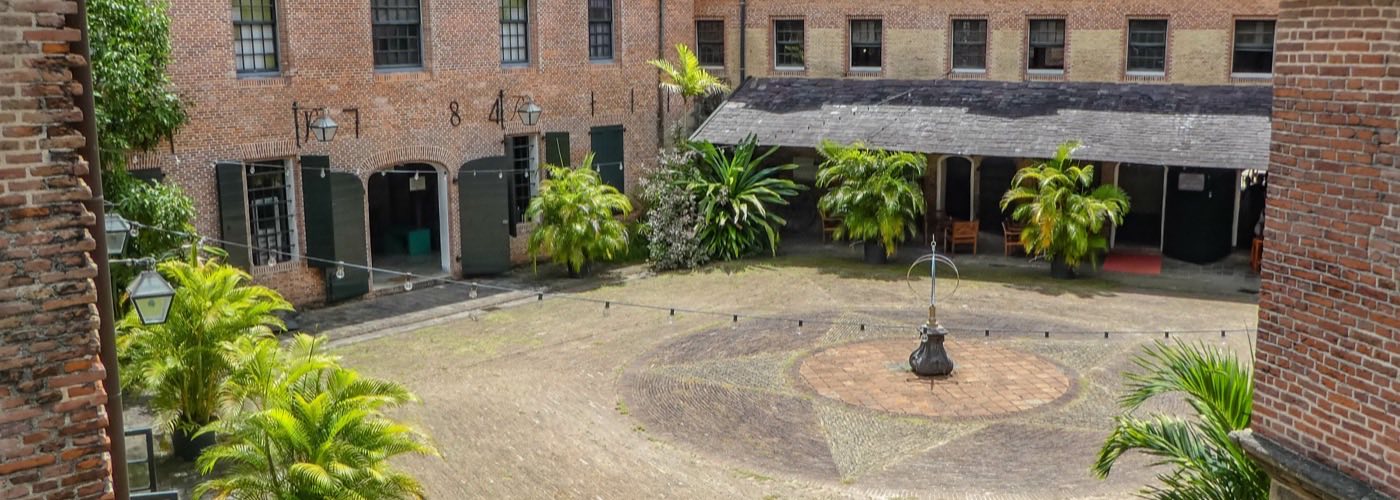
A 17th-century Dutch pentagonal fortress on the Suriname River bank in central Paramaribo, now housing the Stichting Surinaams Museum with colonial-period collections and period rooms.
See & do
Forts, colonial-era buildings and heritage sites, including the UNESCO-inscribed inner city.
A 17th-century Dutch pentagonal fortress on the Suriname River bank in central Paramaribo, now housing the Stichting Surinaams Museum with colonial-period collections and period rooms.
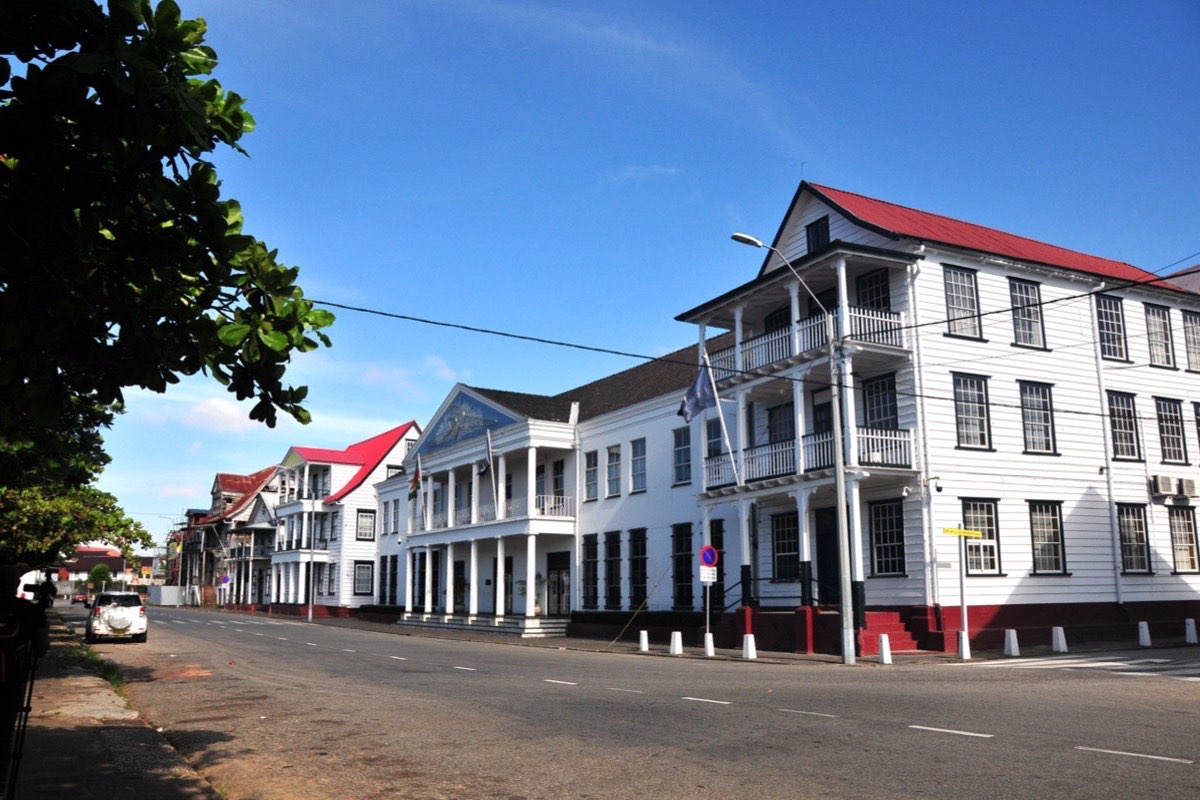
The historic centre of Paramaribo is a UNESCO World Heritage site inscribed in 2002, covering a former Dutch colonial town of the 17th and 18th centuries whose original street plan and over 250 monuments survive.
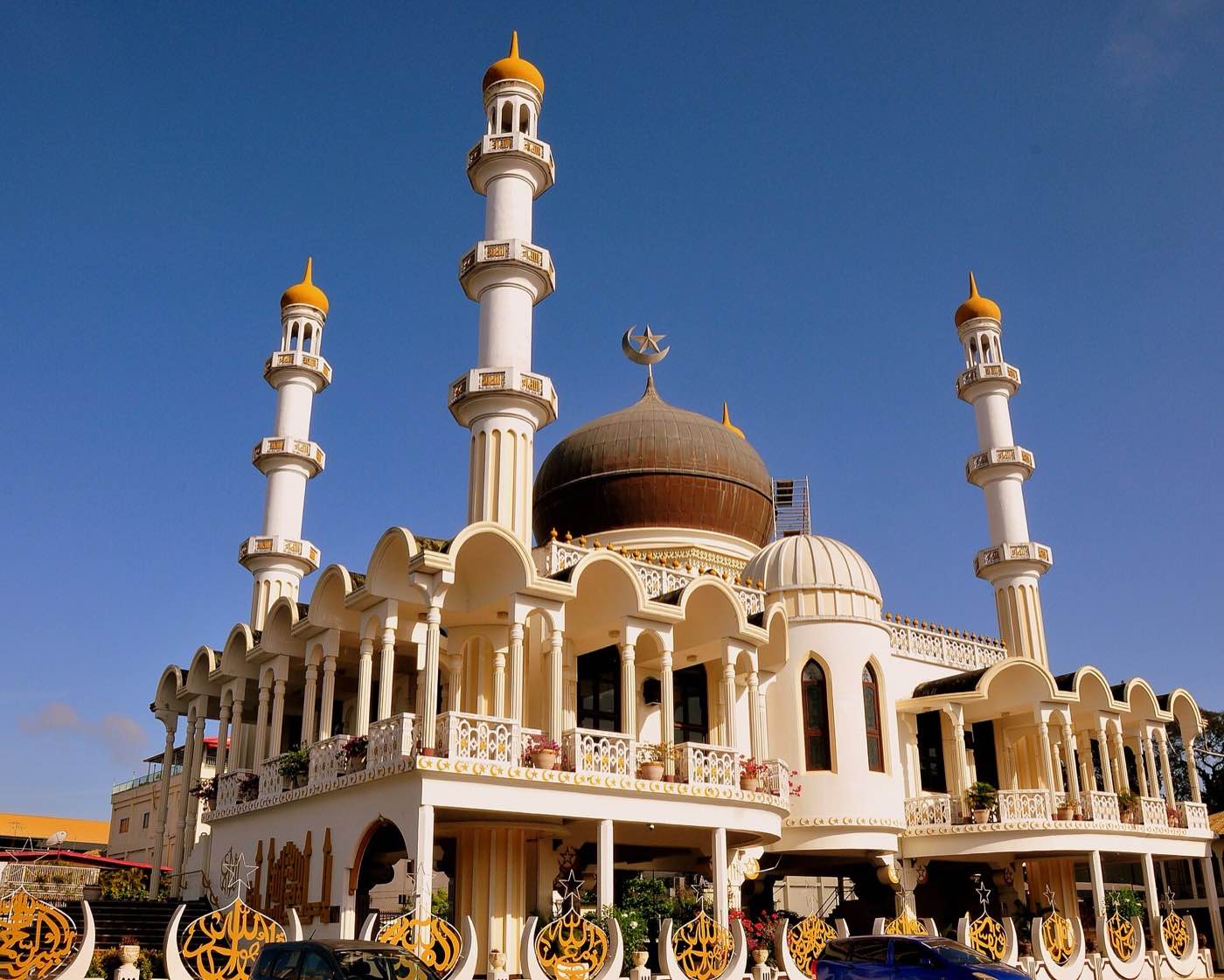
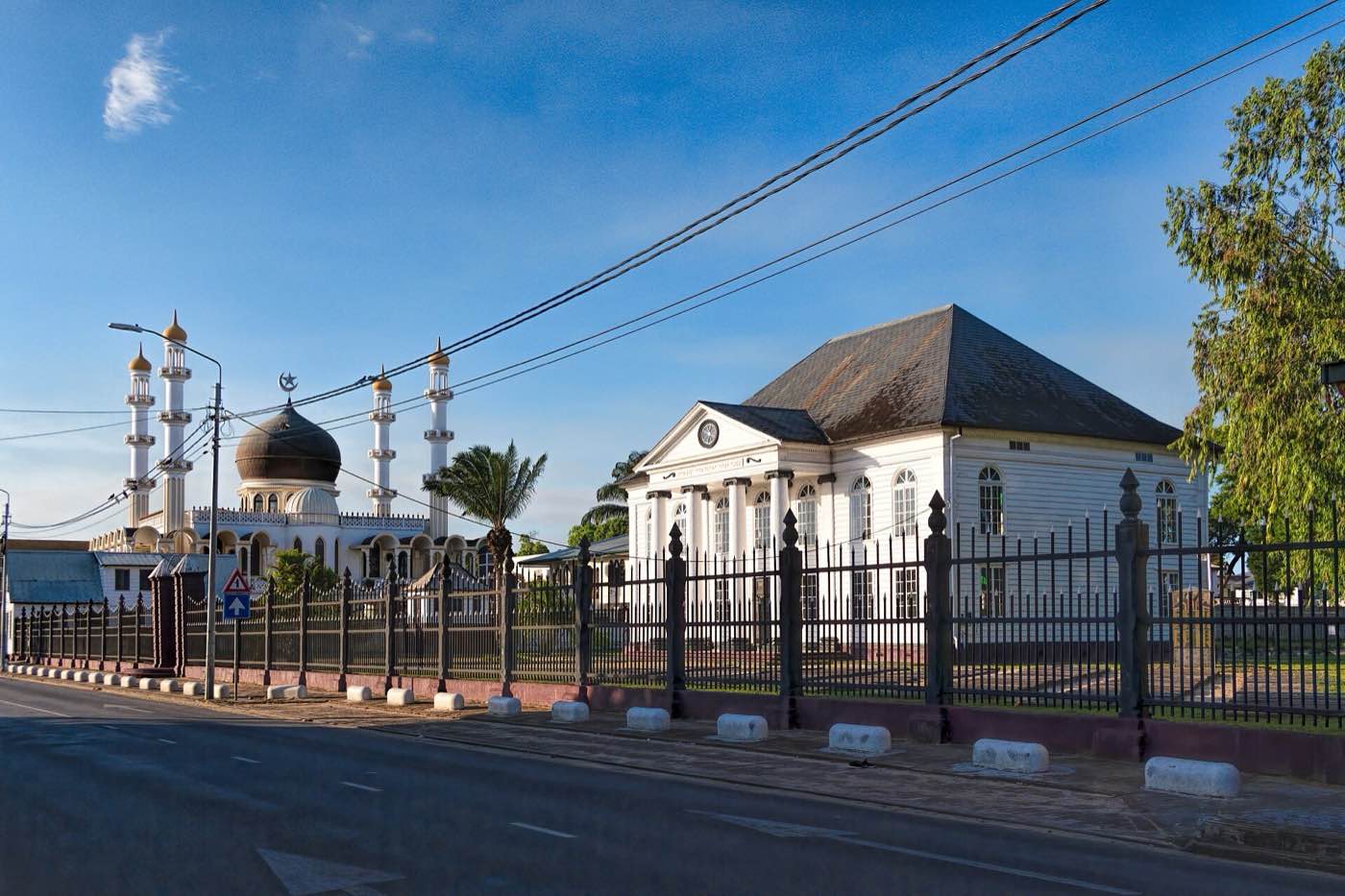
A large mosque on Keizerstraat in central Paramaribo, in its present form dating from 1984, standing immediately next to the Neveh Shalom Synagogue.
A synagogue on Keizerstraat in central Paramaribo whose congregation dates to 1665; it stands directly beside the Keizerstraat Mosque, a pairing often cited as a symbol of Suriname's religious coexistence.
An open-air museum inside the walls of Fort Nieuw-Amsterdam in Commewijne, at the confluence of the Suriname and Commewijne rivers opposite Paramaribo, with former prison cells and wartime artillery on the grounds.
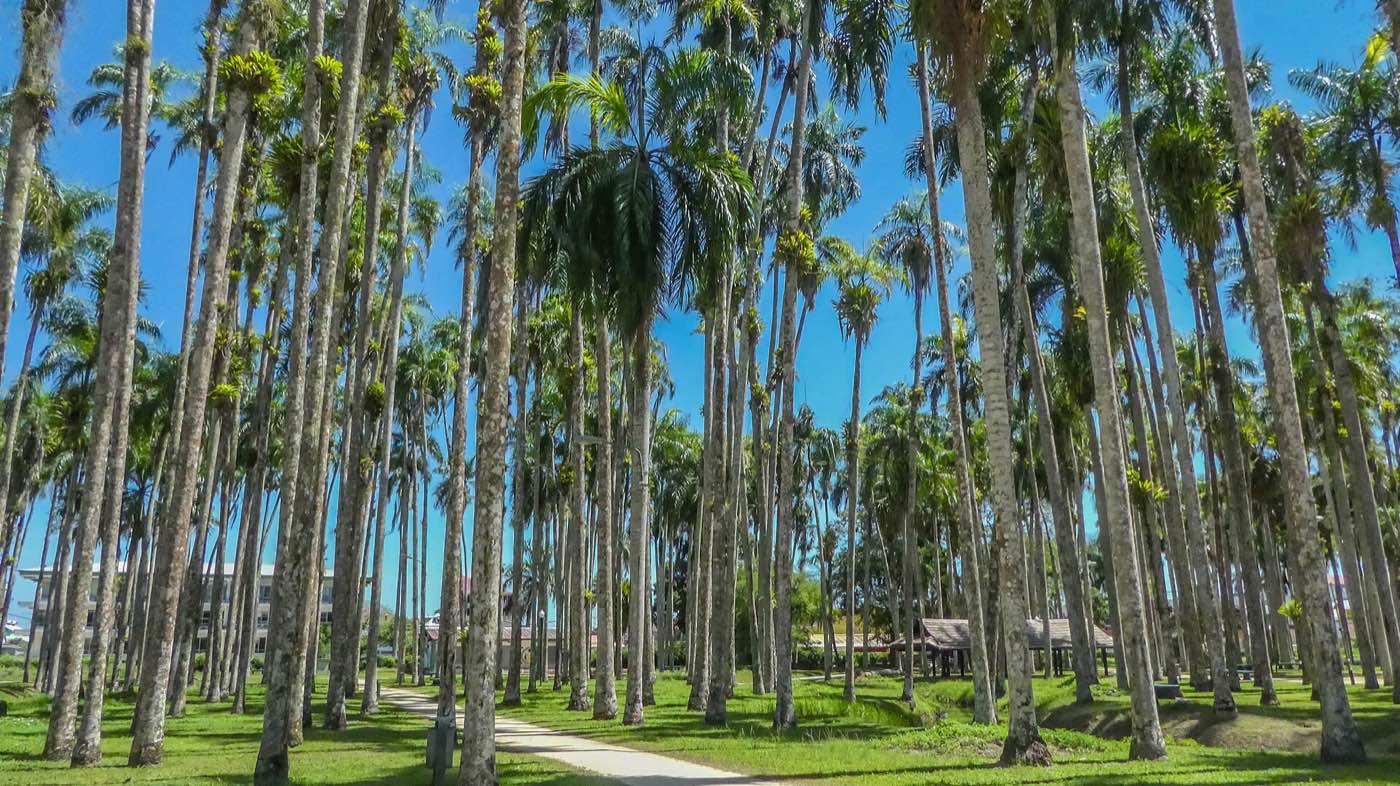
A public park in central Paramaribo planted with palms, next to the Presidential Palace, holding heritage status as a historic park in the city.
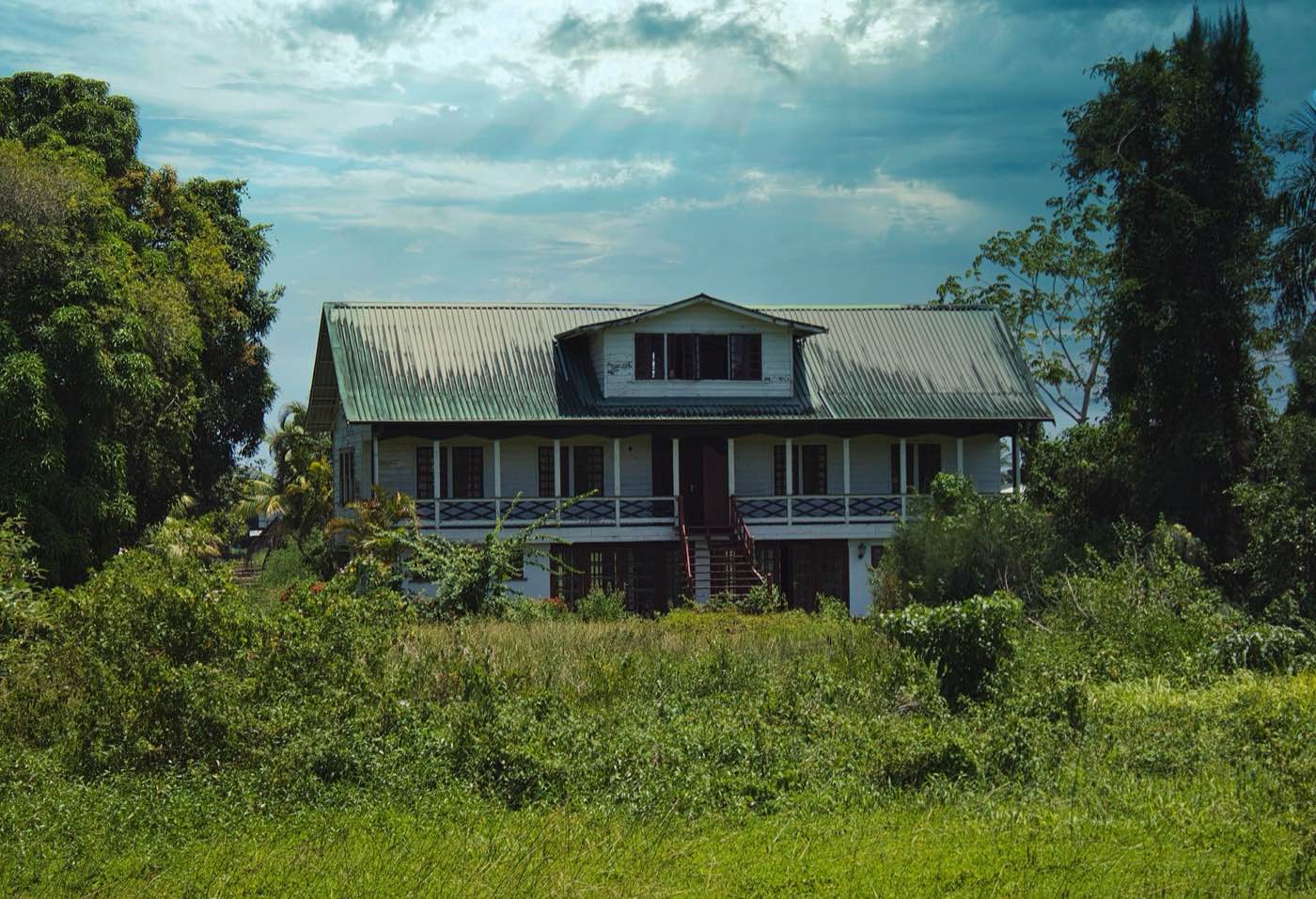
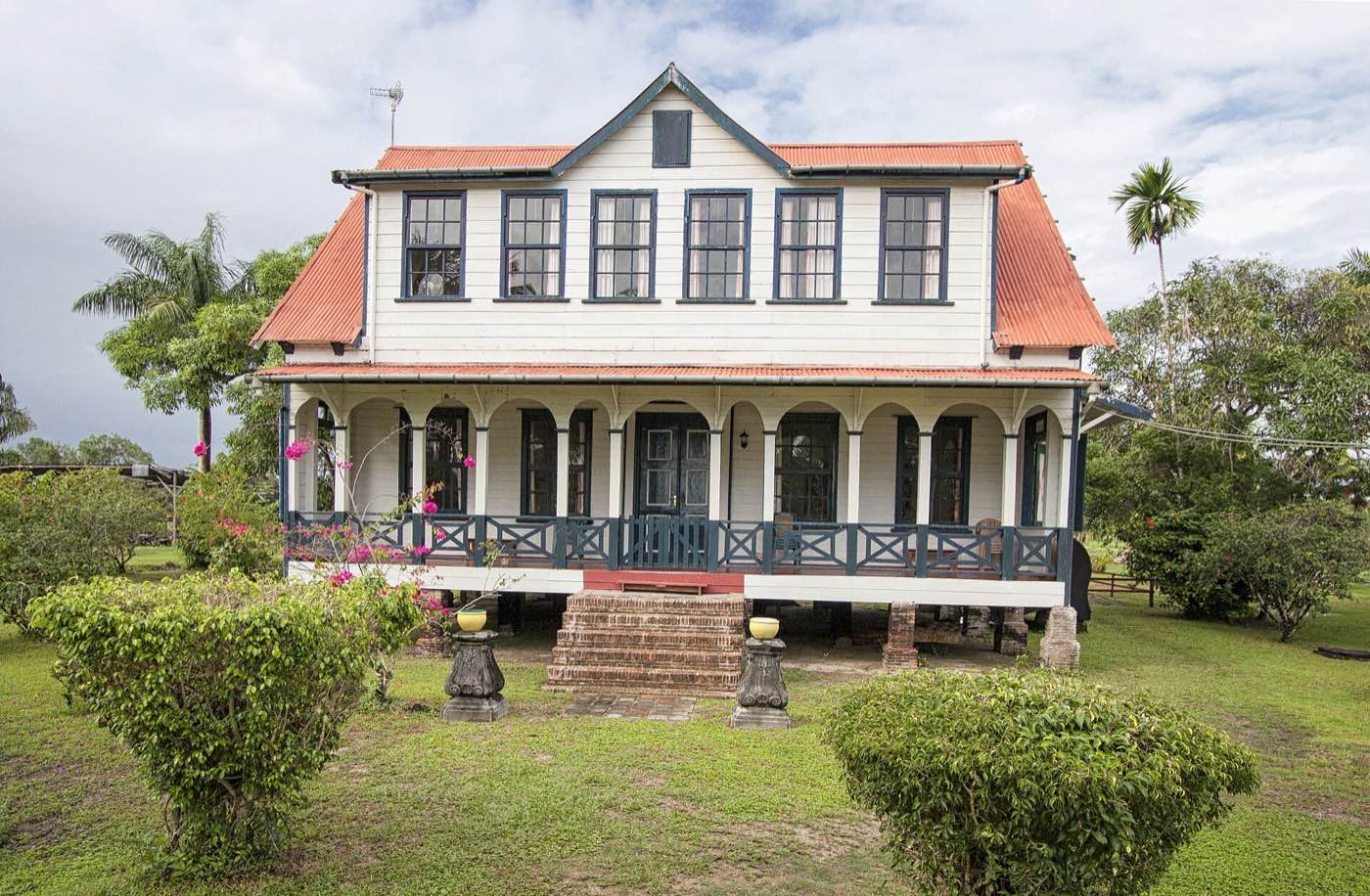
A restored 18th-century coffee and later cocoa plantation on the Commewijne River, designated a monument in 2004 and now operating as a resort with a small district story museum and a heritage walking trail.
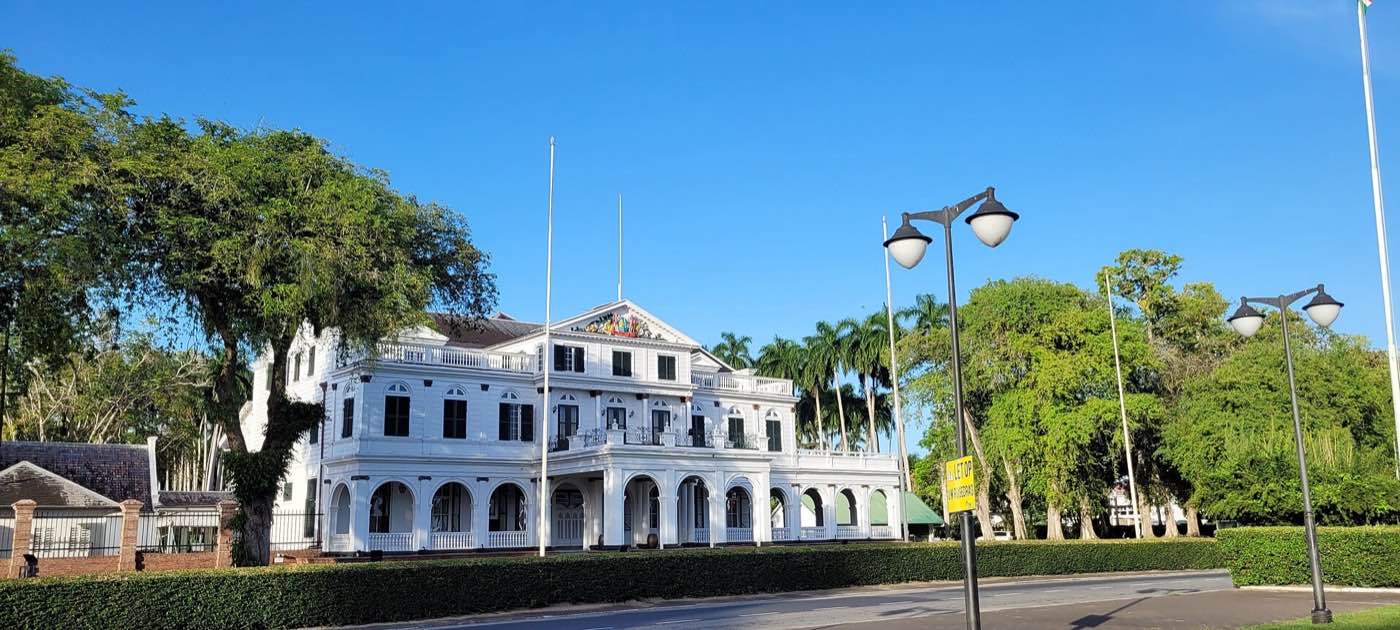
The Presidential Palace of Suriname, a building dating to around 1700, faces Onafhankelijkheidsplein (Independence Square) in the historic centre of Paramaribo; both sit inside the UNESCO-inscribed historic inner city.
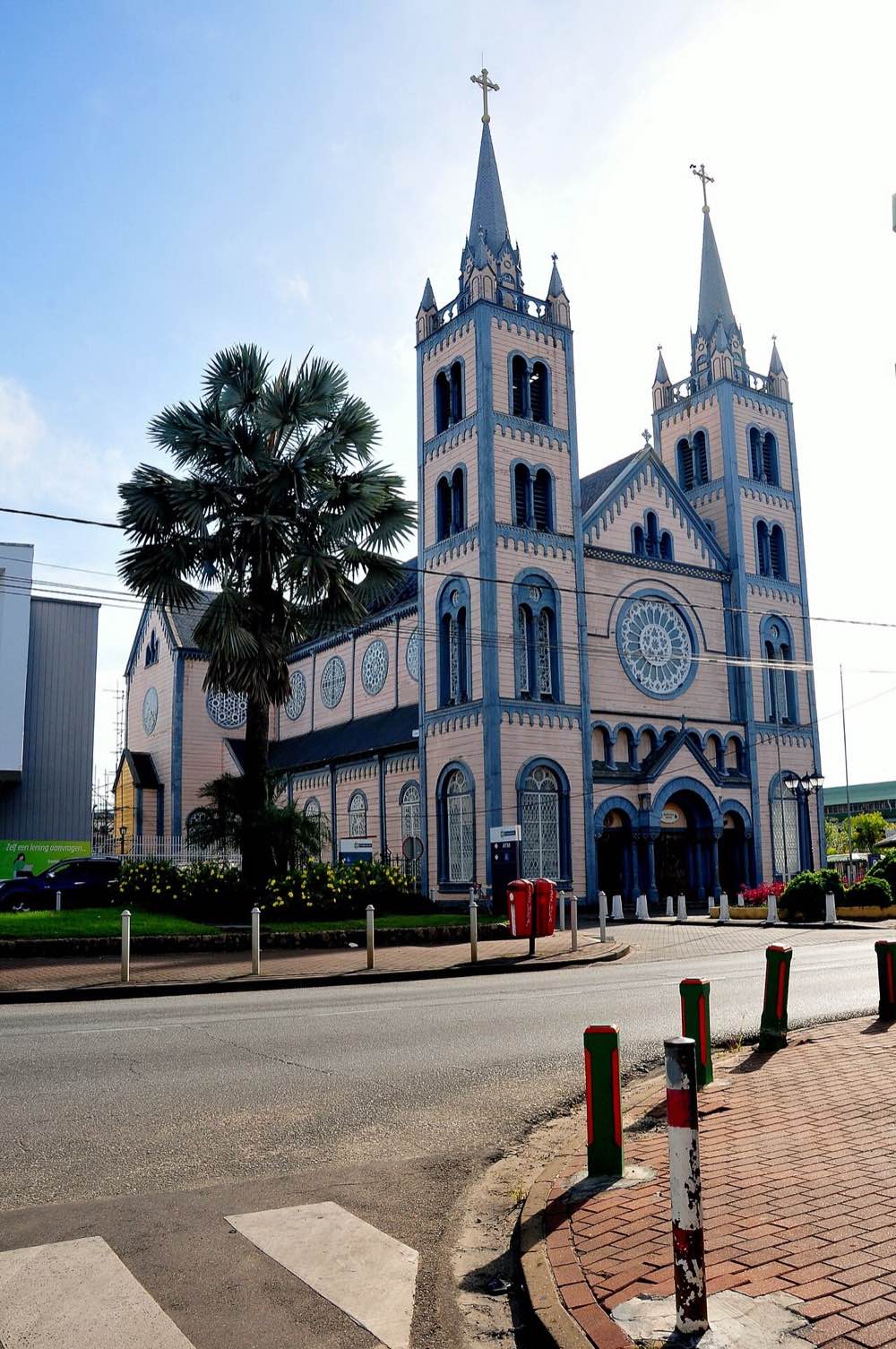
The Roman Catholic cathedral of the Diocese of Paramaribo, built of wood between 1883 and 1887 and raised to the rank of minor basilica in 2014; it is among the largest timber-built churches in South America.
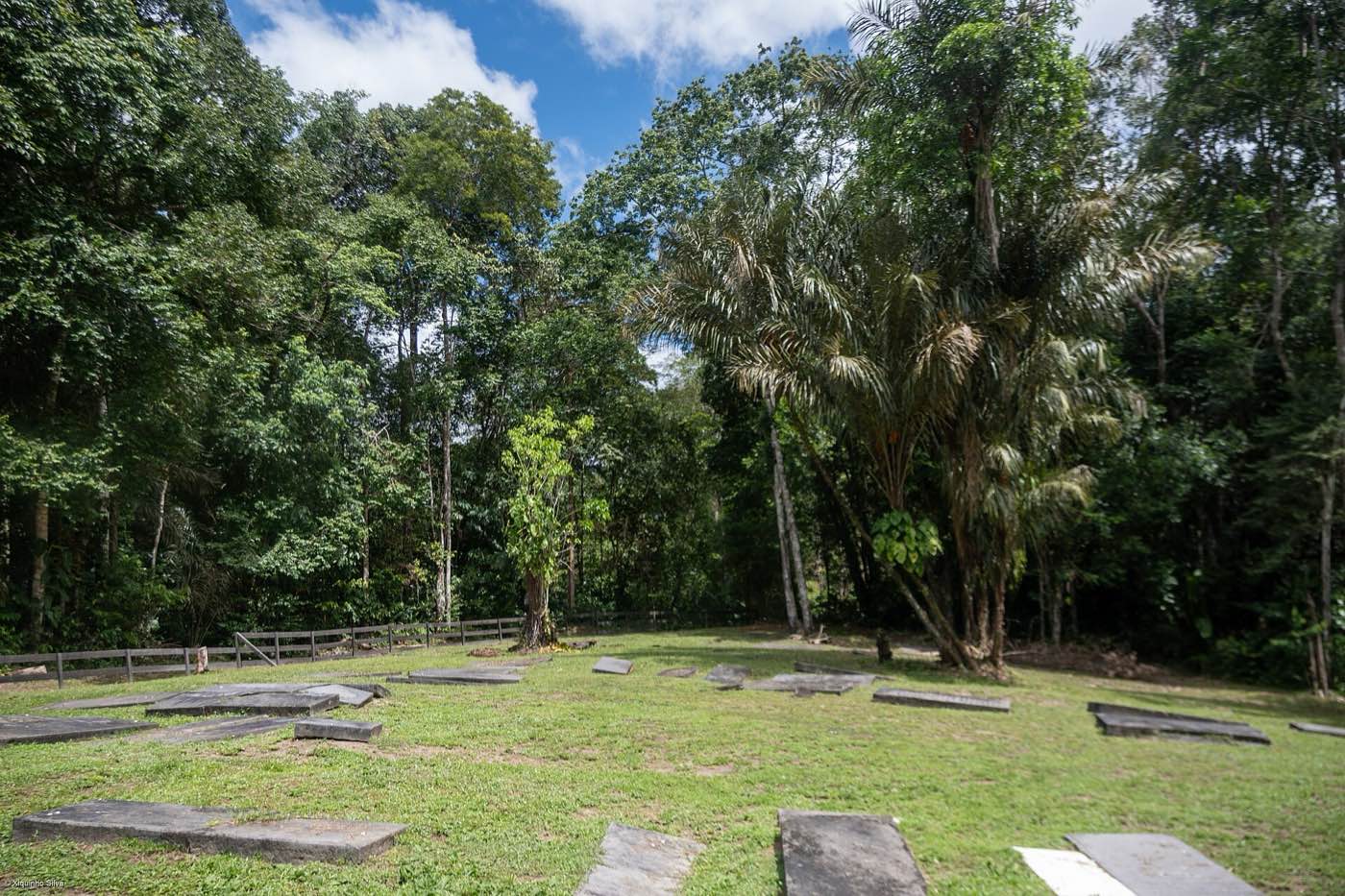
UNESCO-listed remains of a 17th-century Jewish settlement on the Suriname River, including the ruins of what is believed to be the earliest architecturally significant synagogue in the Americas and the older Cassipora Creek cemetery.